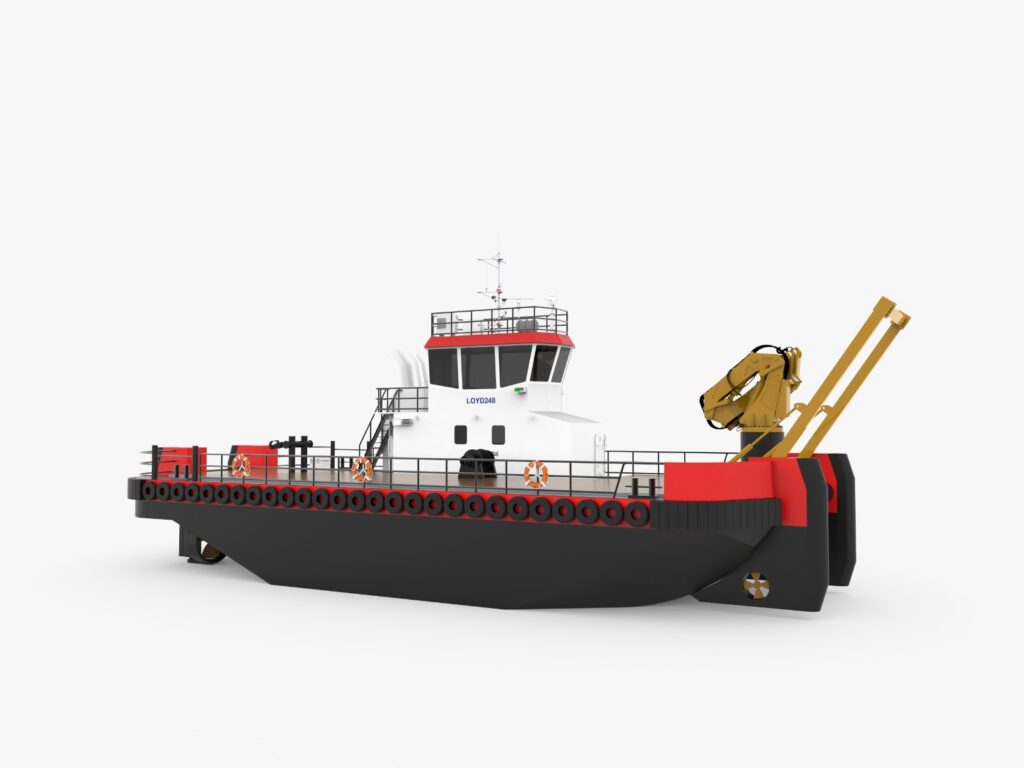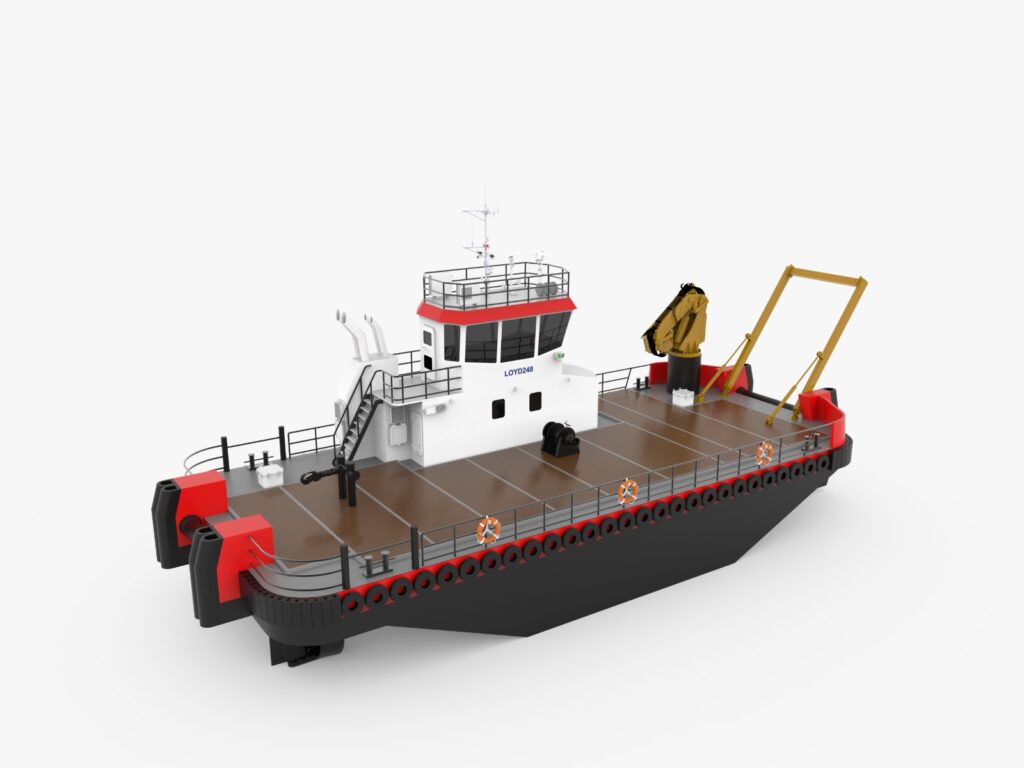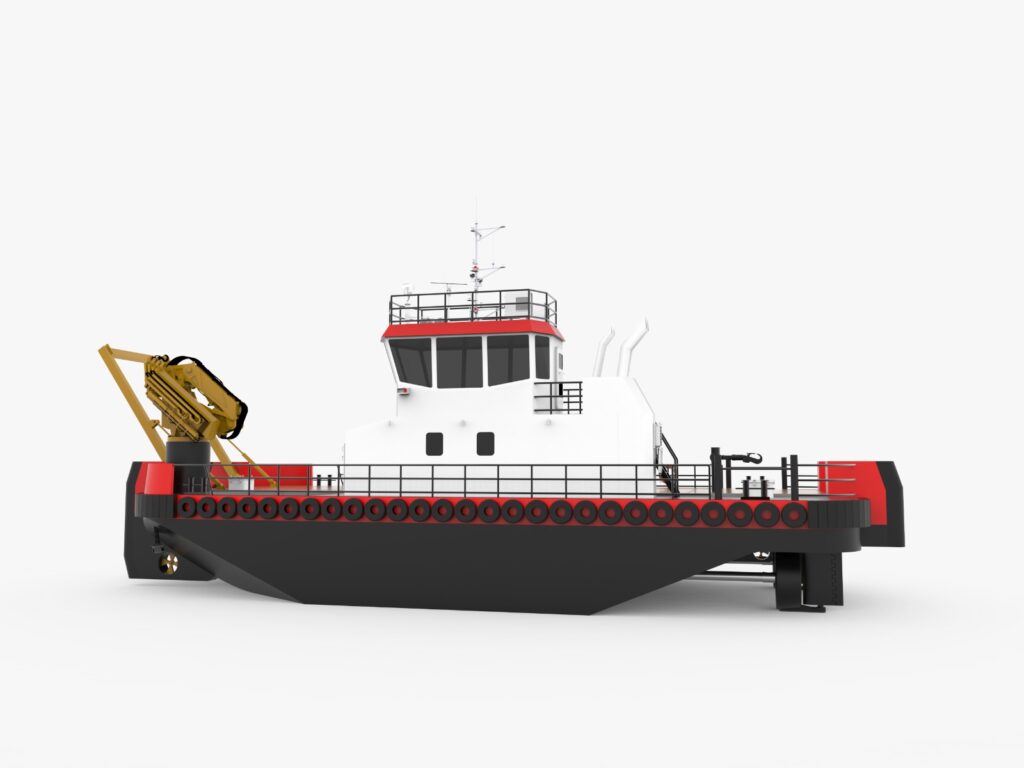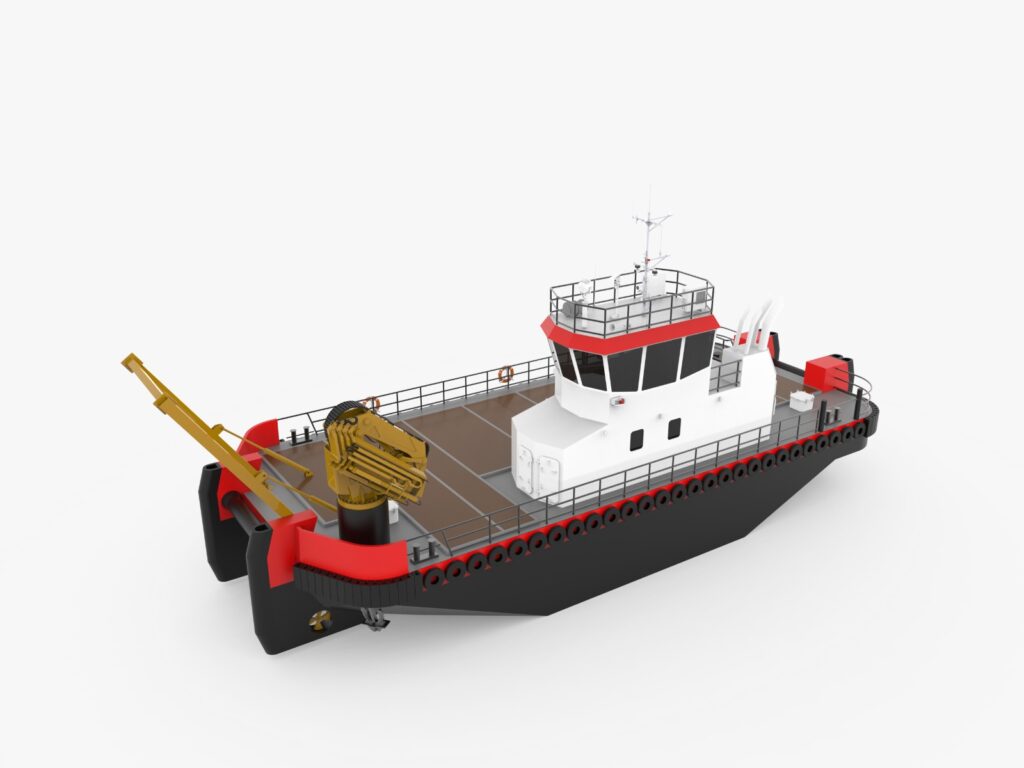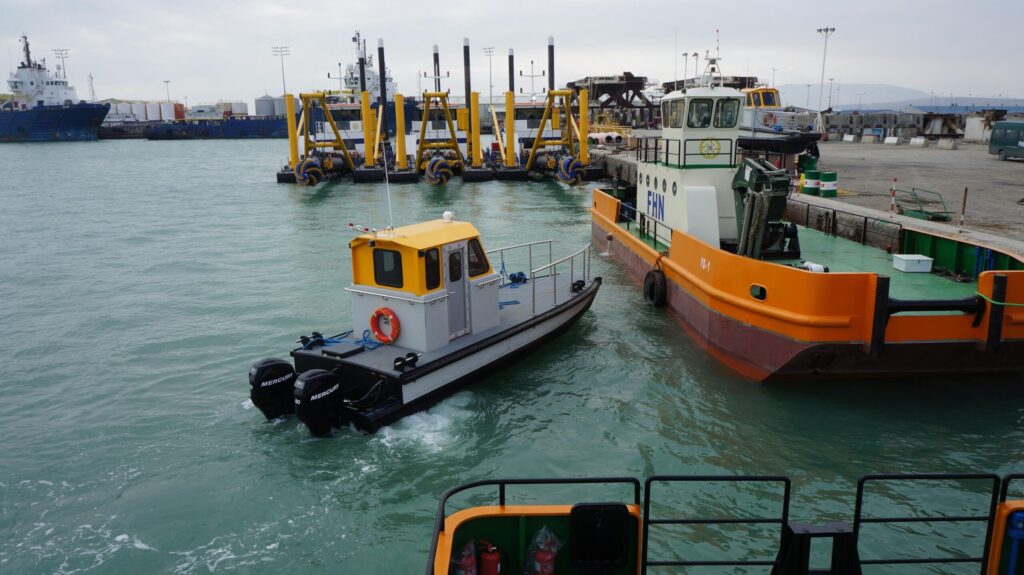
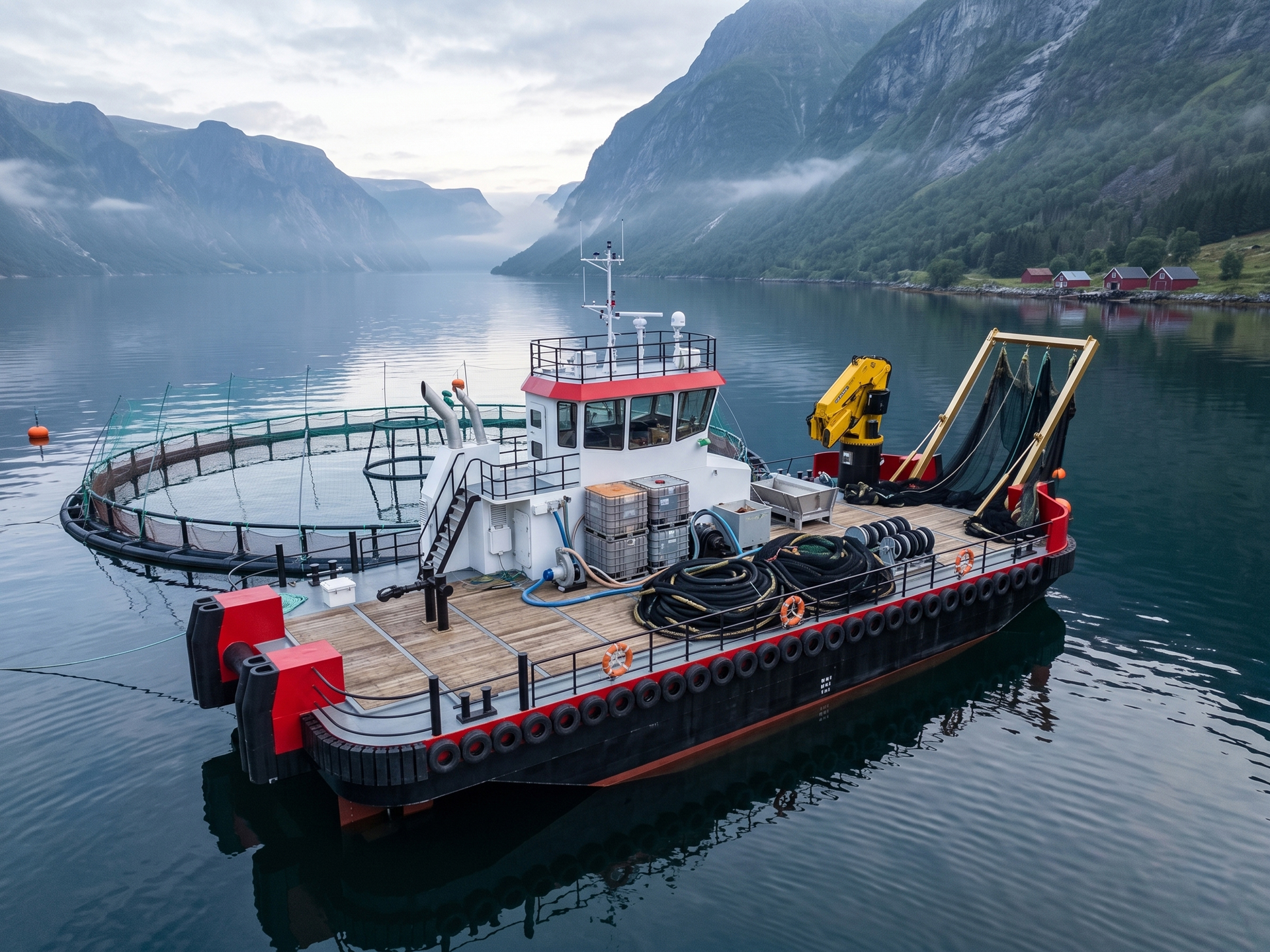
Fish farms, shellfish operations, and open-water aquaculture sites share one challenge: the workboat that serves them has to do everything. Feeding runs, net inspections, equipment transfers, diver support, harvest logistics — often on the same vessel, in the same working day.
Standard off-the-shelf workboats are designed around average requirements. Aquaculture operations rarely have average requirements.
The working environment dictates everything. Aquaculture sites are typically remote, often exposed to strong currents and weather, and frequently accessed by personnel carrying equipment rather than passengers sitting in seats. A vessel built for this context looks very different from a harbour tender or crew transfer craft.
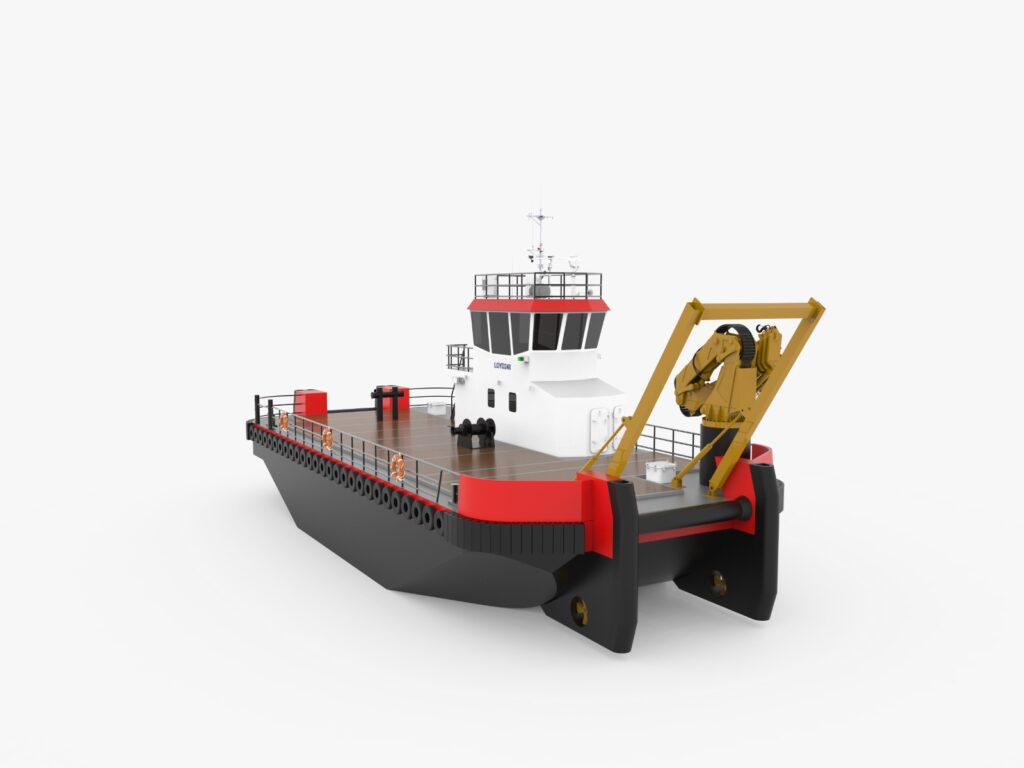
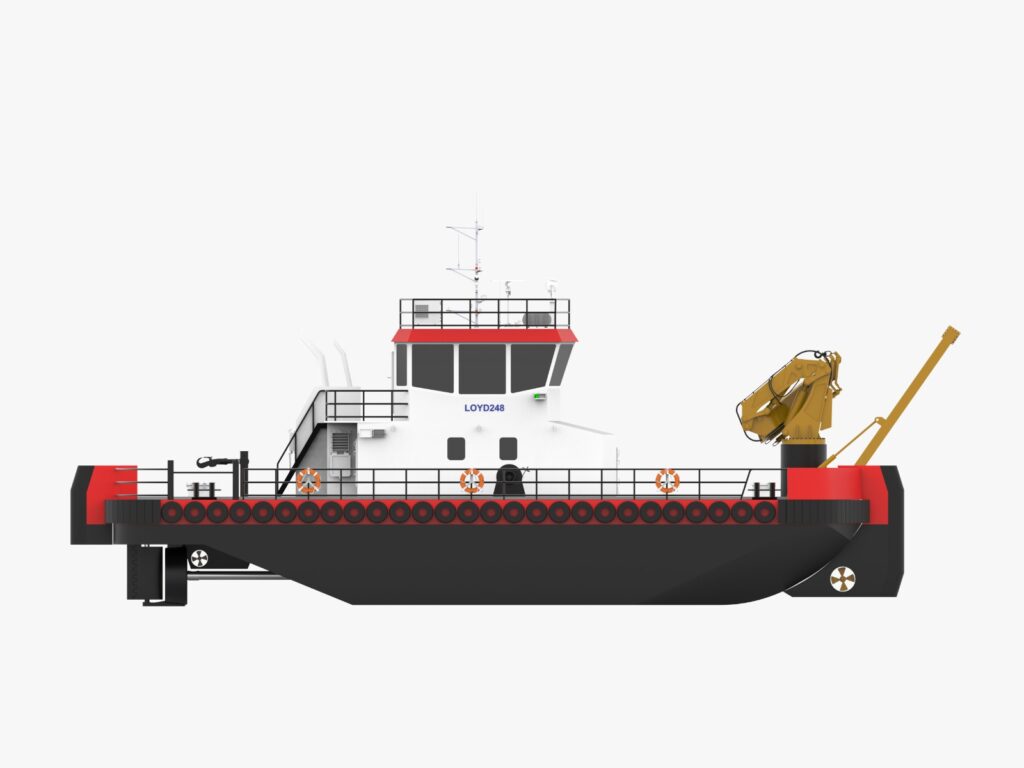
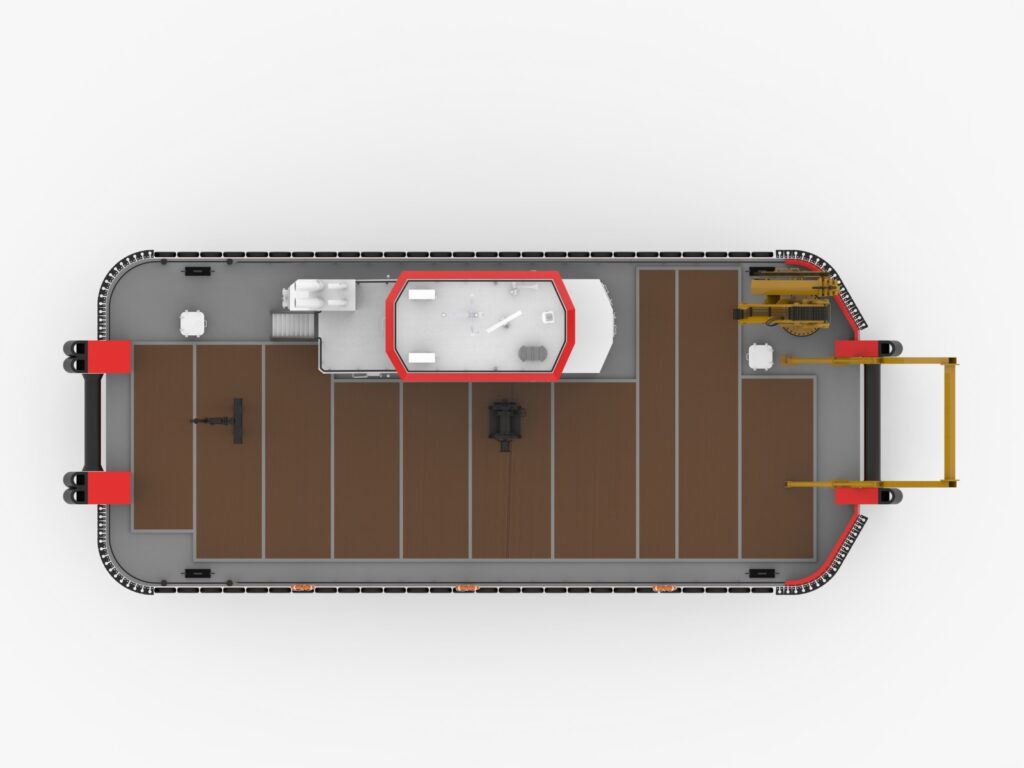
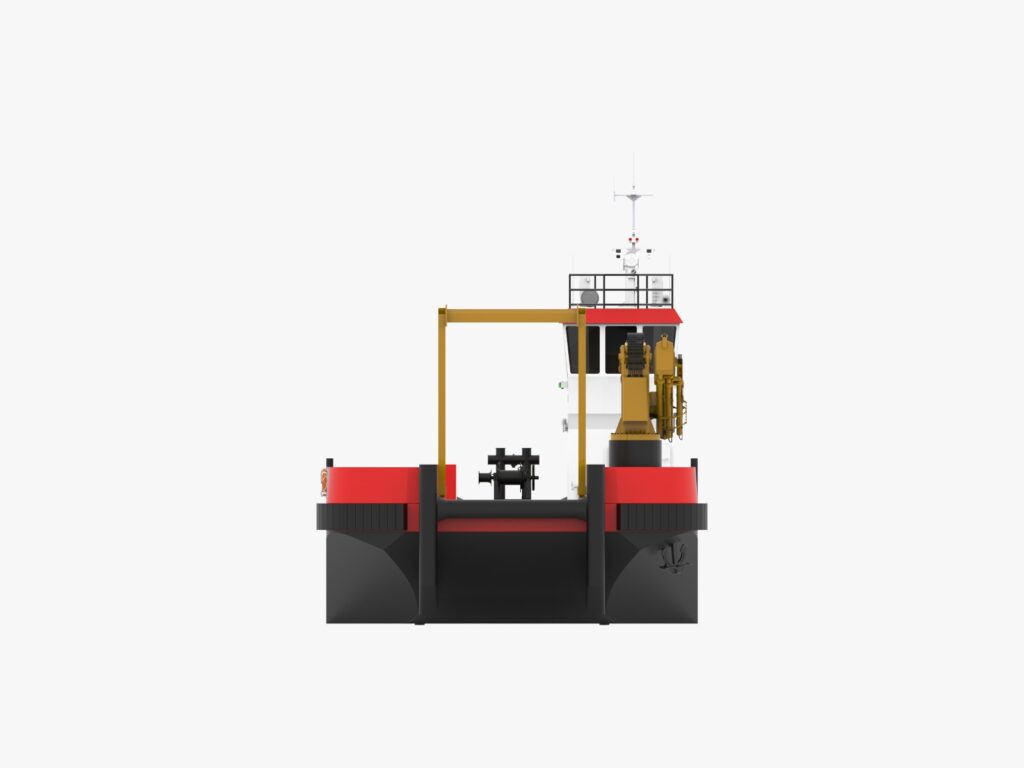
Deck space and layout. Feed handling, net deployment, and equipment movement all require unobstructed working deck. Fixed superstructures that make sense on passenger craft become obstacles on an aquaculture workboat. Deck layout should follow workflow, not convention.
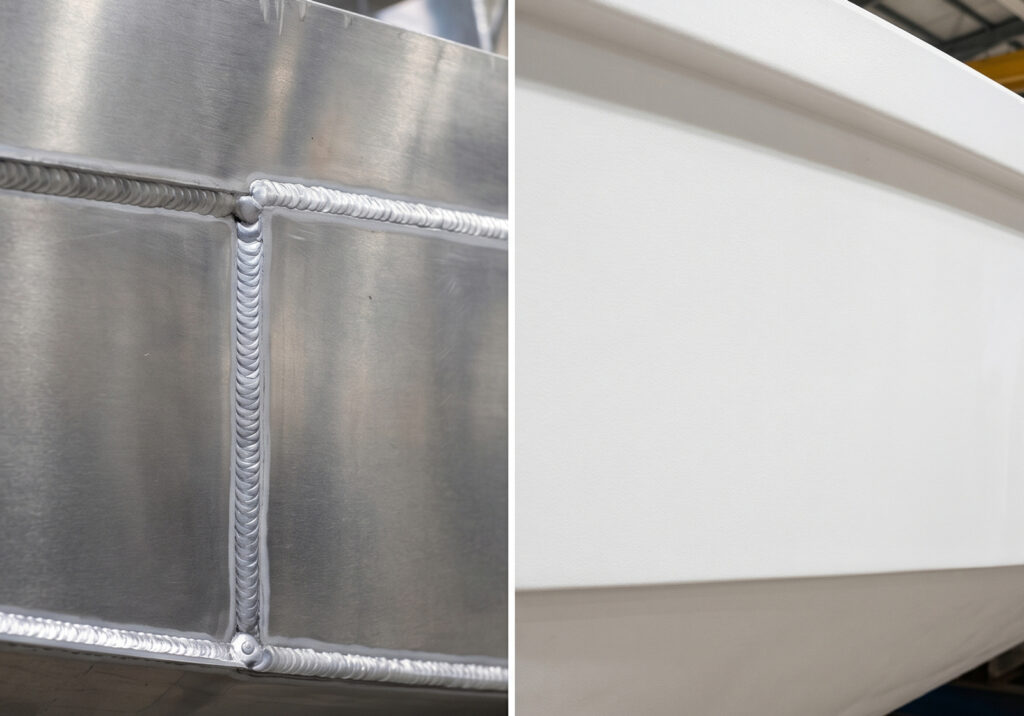
Hull durability. Aquaculture sites operate in biologically and chemically aggressive water. Feed residues, fish waste, and treatment chemicals accelerate corrosion in conventional hull materials. HDPE and marine-grade aluminium with appropriate protective treatment are the practical choices for extended service life in these conditions.
Shallow draft. Many aquaculture sites have restricted access — cages moored in shallow bays, intertidal shellfish beds, river-mouth installations. A workboat that cannot reach the site at low water is a workboat that is not working.
Stability at rest. Crew working over the side, divers entering and exiting the water, equipment being lifted aboard — all of these demand a stable platform. Speed is secondary to a boat that does not roll when someone is standing on the gunwale.
Propulsion reliability. Remote sites mean limited access to repair facilities. Propulsion systems need to be robust, serviceable in the field, and matched to the specific speed and load requirements of the operation — not oversized for a performance spec the vessel will never use.
A production workboat is a compromise. The manufacturer has made decisions about deck layout, freeboard, engine specification, and hull form based on the broadest possible market. Some of those decisions will fit your operation. Many will not.
The consequences show up in daily operations: deck fittings in the wrong place, insufficient freeboard for the sea conditions at your site, fuel capacity that does not match your run distances, a wheelhouse that blocks the working area. None of these are catastrophic individually. Together, they add friction to every working day across the vessel’s entire service life.
A bespoke vessel eliminates that friction at the design stage.
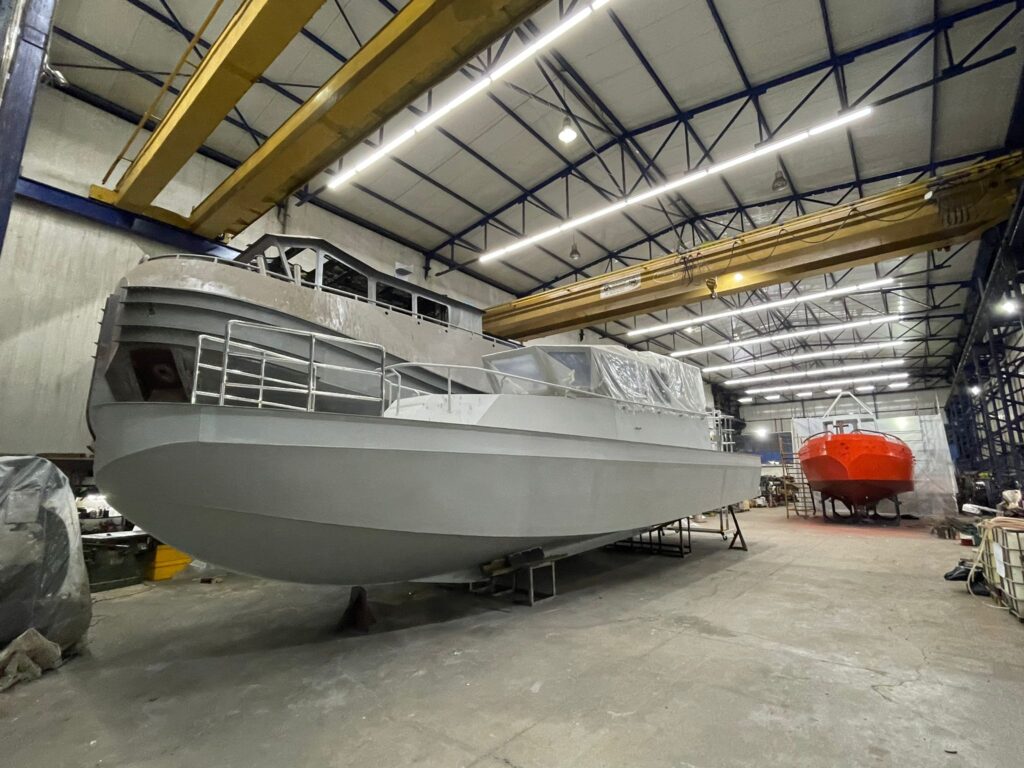
When a workboat is engineered around a specific operation, every element of the vessel is a decision made for that operation. Deck layout is mapped against actual workflow. Hull form is selected for the sea conditions at your site, not a generic specification. Engine and propulsion are matched to the distances and loads your crew manages every day.
The result is a vessel that works harder, requires less workaround from the crew, and holds its operational value longer. For aquaculture operators running lean teams in remote locations, that is not a luxury — it is a practical requirement.
Custom build costs are frequently closer to production vessel pricing than operators expect, particularly when total cost of ownership — including productivity, maintenance, and vessel longevity — is factored into the comparison.
At Loyd Shipyard, we begin every project with the operation, not the vessel. Tell us where your site is, what your crew does in a working day, and what your current workboat gets wrong. The specification follows from that conversation.
Contact Loyd Shipyard to discuss your aquaculture workboat requirements.
Loyd Shipyard is based in Tuzla, Istanbul. We engineer and deliver custom workboats for commercial marine operations worldwide.