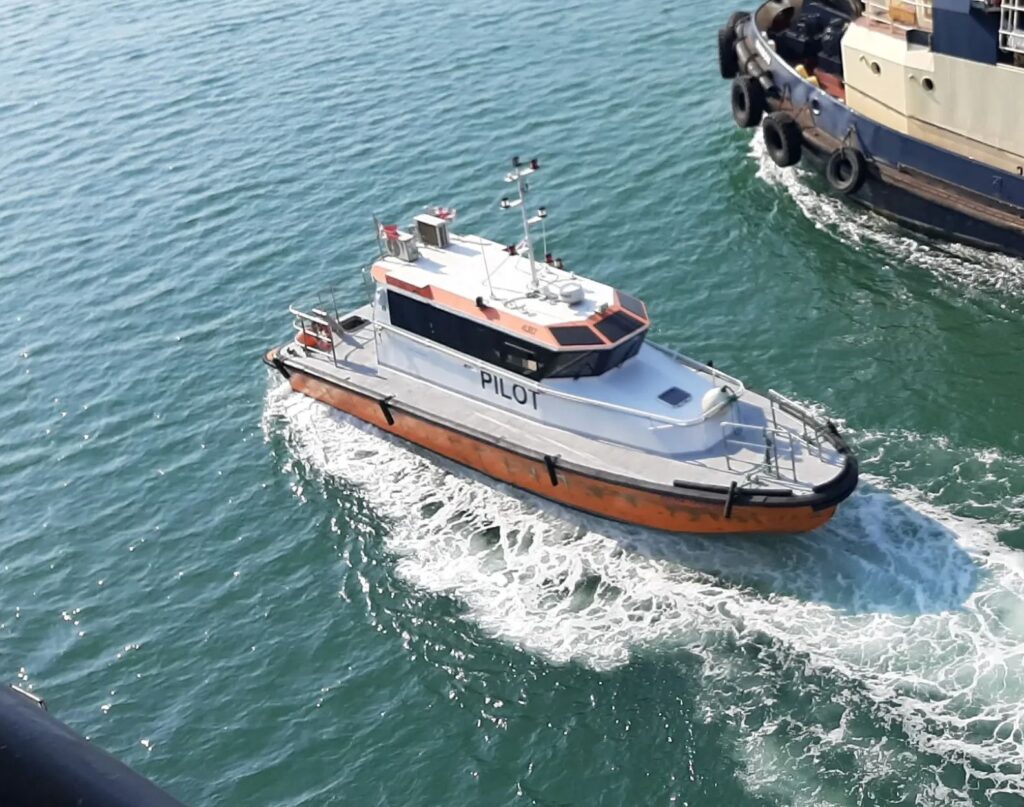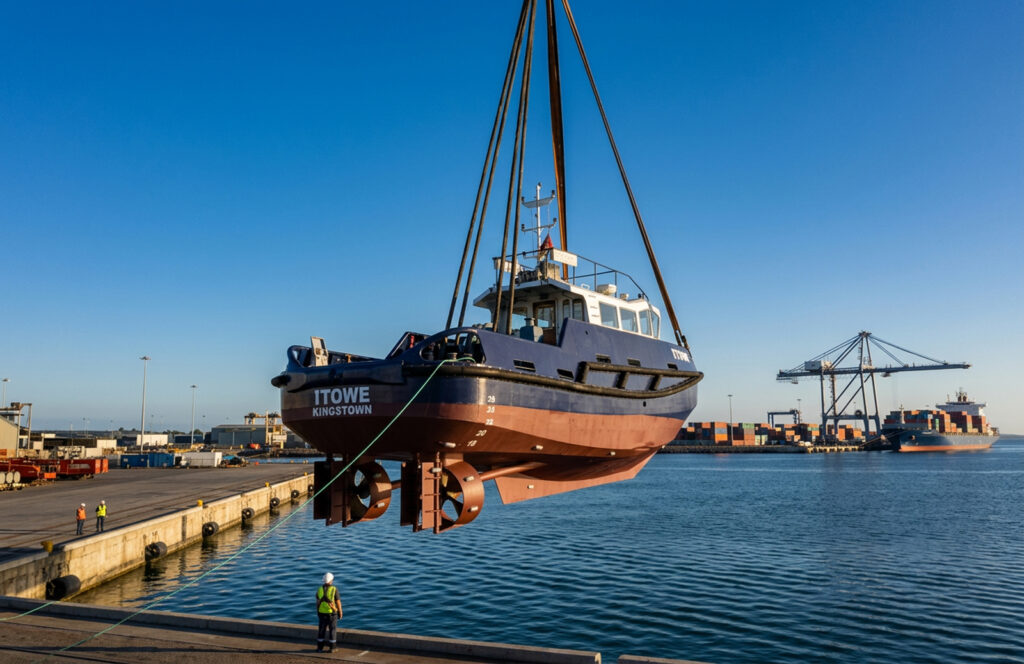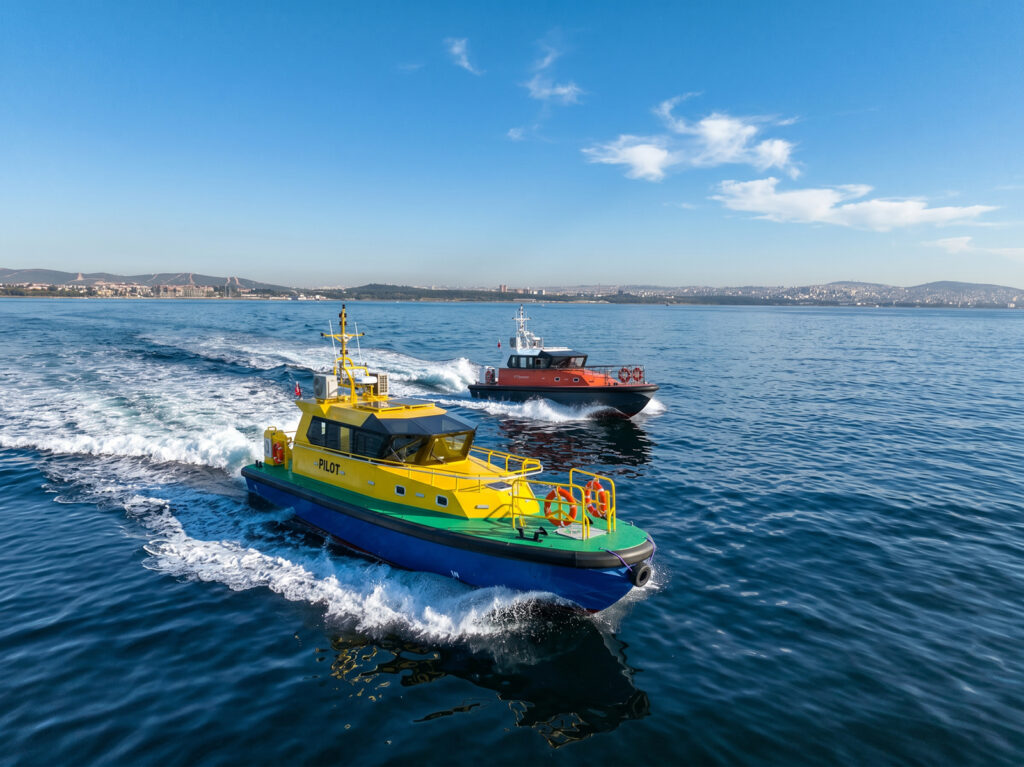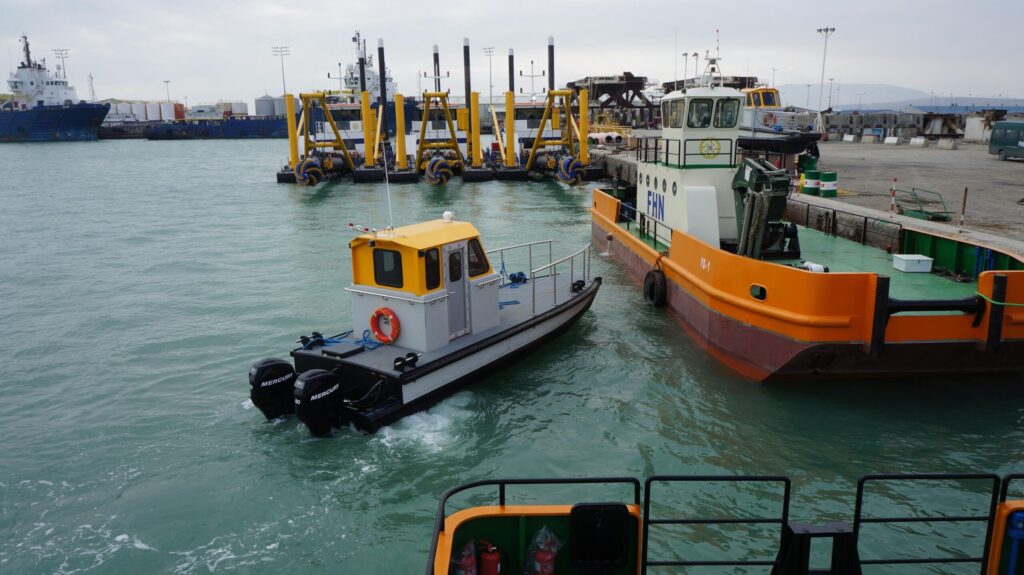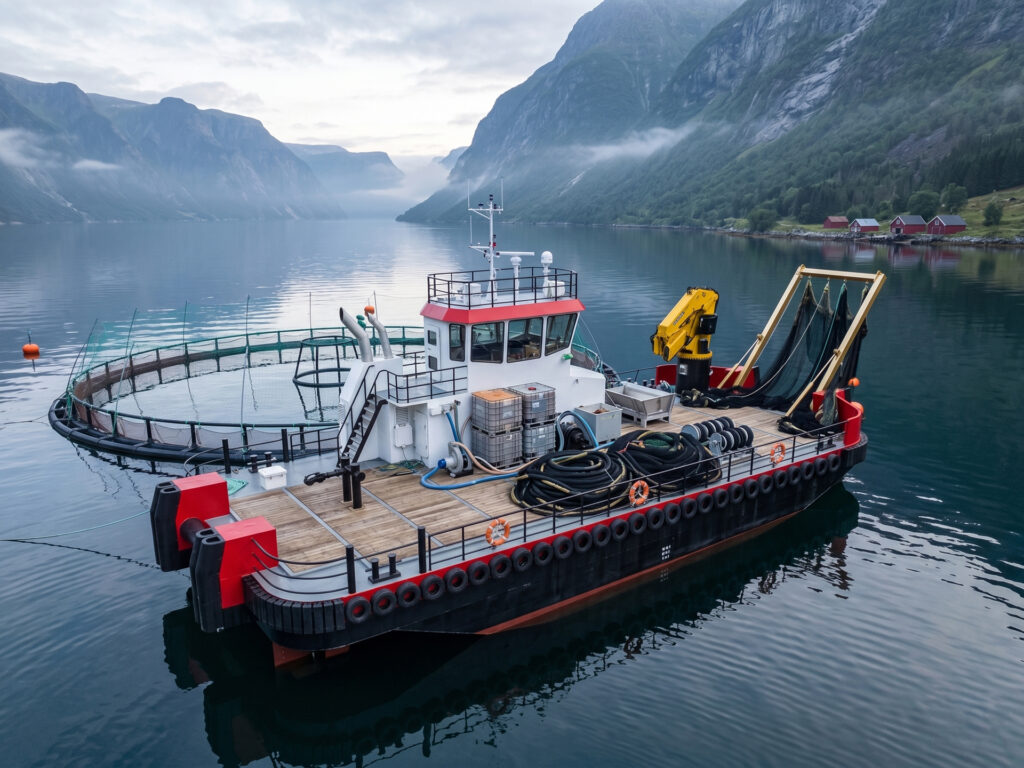
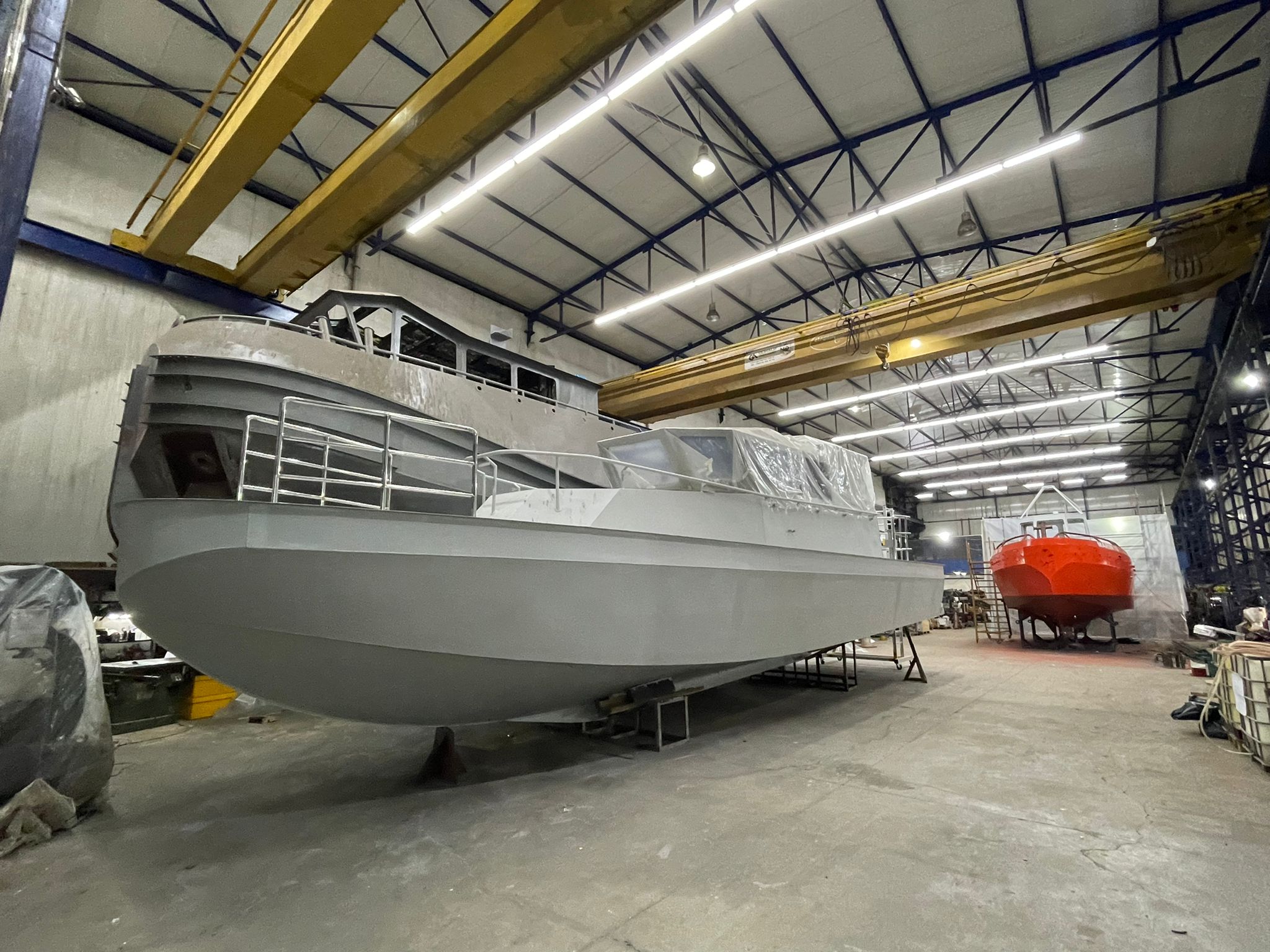
Ordering a custom-built vessel is not like purchasing off-the-shelf equipment. It is a significant investment — technically, financially, and operationally. Whether you are a port authority commissioning a new pilot boat, a shipping company expanding its crew transfer fleet, or an offshore operator in need of a utility vessel, the decisions you make before signing a contract will define the performance, cost, and longevity of the vessel for the next 20 to 30 years.
At Loyd Shipyard, we have been building custom aluminium, steel, and HDPE vessels since 2001 — +85 projects delivered to clients in over 25 countries. Over the years, we have seen buyers arrive with complete, well-defined briefs, and we have seen buyers who had no idea where to start. Both are perfectly normal. What matters is asking the right questions before the process begins.
The most important input in any vessel project is operational clarity. What is the vessel’s primary purpose? Pilot transfer, crew rotation, patrol, towing, general utility? These are not interchangeable. A vessel designed for calm harbour operations will not perform the same as one built for rough offshore conditions. Before contacting a shipyard, define your vessel type, the sea conditions it will regularly face, the number of passengers or crew it must carry, and the distance it will operate from shore.
These details directly influence hull design, propulsion selection, stability calculations, and safety equipment requirements. At Loyd Shipyard, we ask for this information upfront — not to create paperwork, but because a well-defined brief is the fastest path to an accurate quotation.
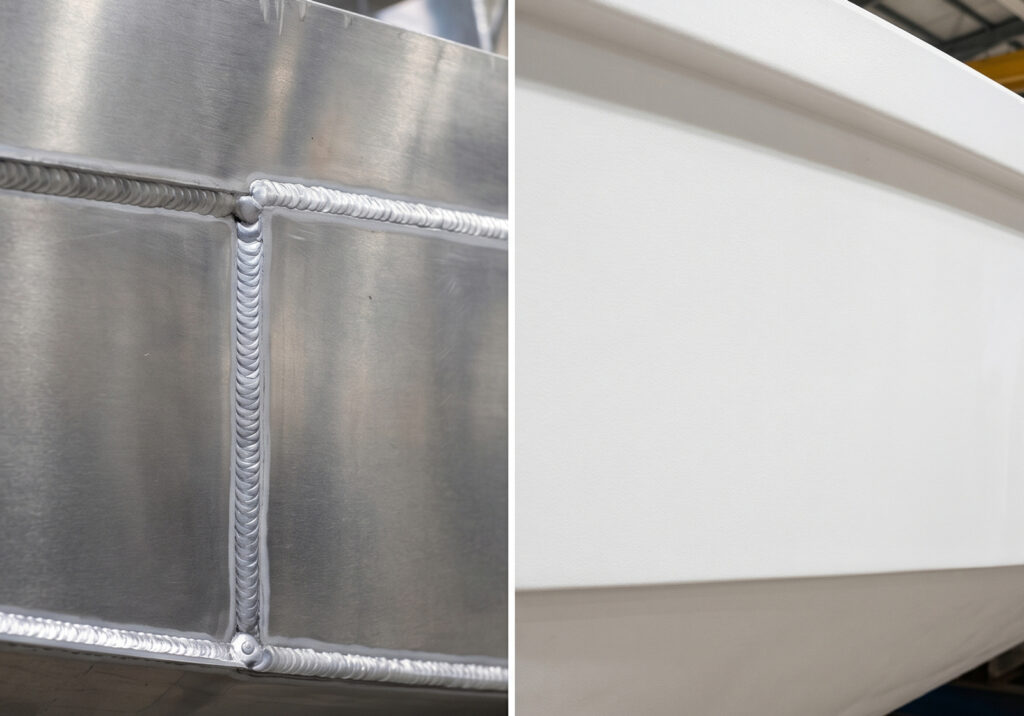
Aluminium, steel, and HDPE each have a distinct operational profile. Aluminium is the preferred choice for fast, lightweight vessels operating in corrosive marine environments. Steel offers structural strength and durability for heavy-duty applications. HDPE — rotationally moulded polyethylene — is increasingly favoured for utility and workboat roles where low maintenance and long service life outweigh all other considerations.
If you are unsure which material suits your operation, that is completely fine — it is one of the first questions we will work through together. Selecting the wrong hull material at the design stage is a costly mistake to reverse later.
Will the vessel require classification by a recognised society — Bureau Veritas, Lloyd’s Register, DNV GL, ABS, RINA, or Turkish Lloyd? Does your flag state have specific build requirements? These are not administrative afterthoughts. Classification directly influences structural scantlings, equipment standards, fire safety systems, and the overall build cost. Starting the design process without clarity on classification requirements means reworking drawings and potentially delaying the project.
Loyd Shipyard builds to Bureau Veritas and Turkish Lloyd standards and works with clients who require other classification societies as well. If you are unsure what your project requires, tell us — we will advise you.
This is perhaps the most important practical point for any first-time buyer: a custom-built vessel is not available for immediate delivery. Loyd Shipyard does not maintain a stock of finished vessels waiting in a yard. Every vessel we build is designed and constructed specifically for the client who orders it.
Standard production time runs from four to six months from the date of contract signing. Projects with complex specifications, classification requirements, or specialised equipment may take longer. If your operation requires a vessel by a specific date, that date must factor into when you begin the inquiry process — not when you place the order.
Many buyers are reluctant to share budget figures, concerned it will anchor negotiations against them. In our experience, the opposite is true. When a shipyard understands the budget envelope from the outset, it can design a vessel that genuinely fits — matching specification to investment rather than delivering an over-engineered proposal that misses the mark, or an under-specified one that disappoints on delivery.
Custom workboats and service vessels in the 10 to 24 metre range vary considerably in price depending on hull material, propulsion, classification, and equipment fit-out. Being open about budget from the first conversation does not weaken your position — it accelerates the process toward a proposal you can actually work with.
Some clients arrive with a complete technical specification sheet. Others have reference photos, a rough sketch, or simply a clear description of the problem they need to solve. A few come with nothing more than a vessel type and an operational context. All of these are valid starting points.
If you have existing drawings or a specification, share them — we will review and respond. If you have no documentation at all, Loyd Shipyard will prepare a standard specification based on your requirements and use it as the basis for the quotation. The goal is always the same: to give you a precise, honest proposal as quickly as possible.
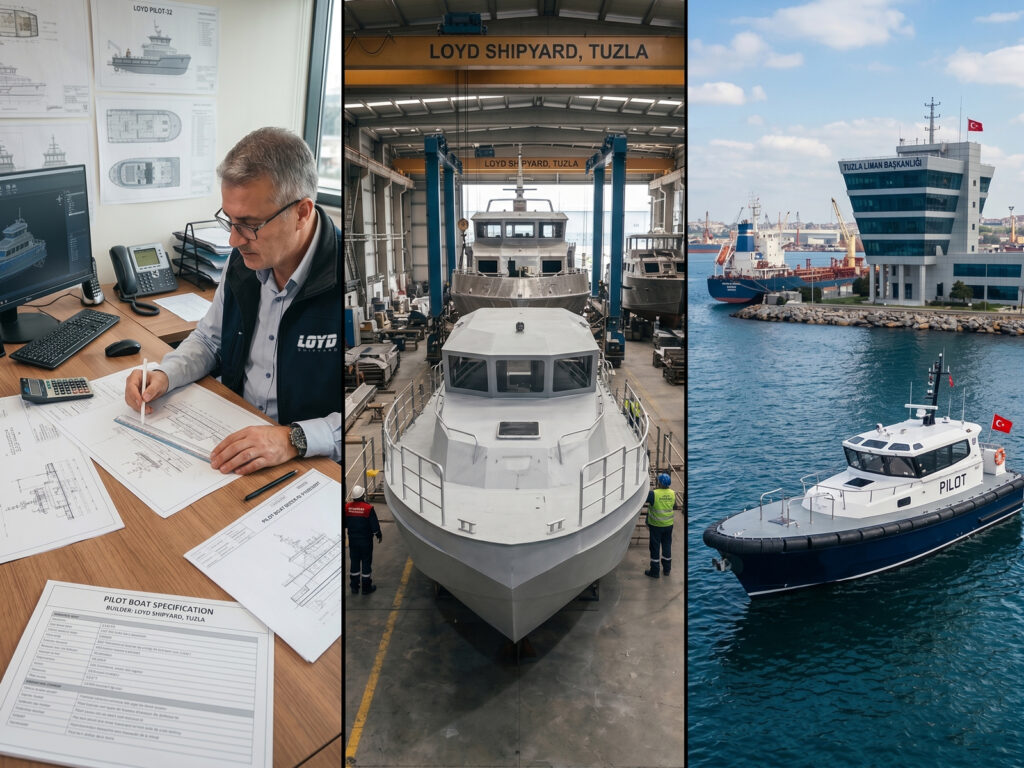
At Loyd Shipyard, the inquiry process is structured to move efficiently from first contact to formal proposal. Once we receive your completed vessel inquiry form, you will hear from our team within 24 hours. An initial technical review follows within 48 hours, and a preliminary quotation is typically issued within 48 to 72 hours of that. From there, we move into a detailed proposal and technical discussion tailored to your project.
We have delivered vessels to port authorities, shipping companies, pilot service providers, offshore operators, government agencies, and maritime service companies across more than 25 countries. The diversity of those projects reflects one consistent principle: every vessel starts with a thorough understanding of how it will be used.
If you are considering a new vessel and want to understand what the process involves before committing to anything, get in touch. We are here to help you ask the right questions — and to answer them.