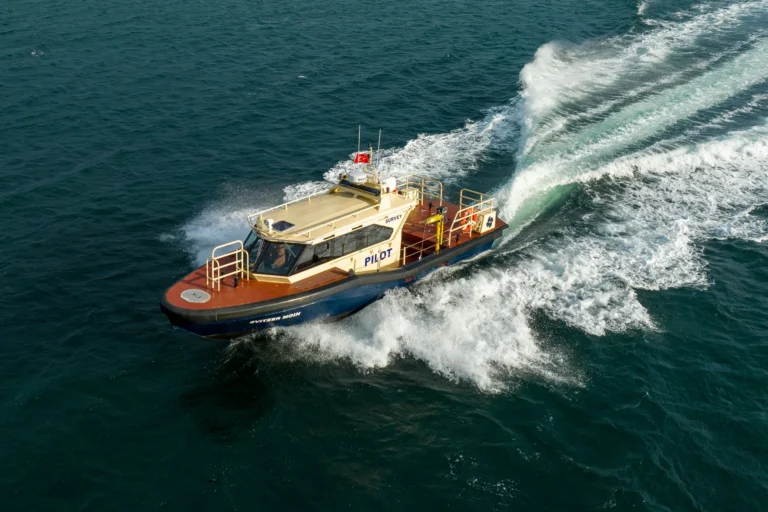
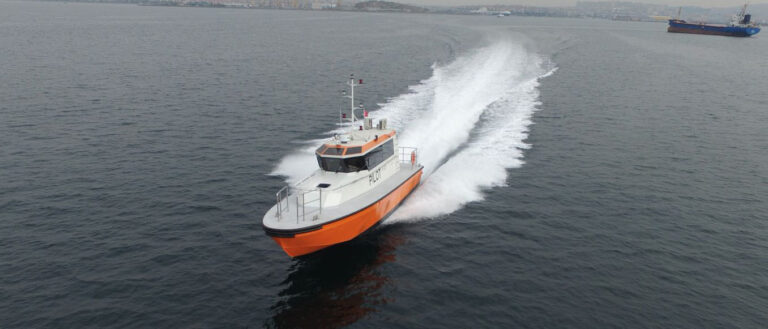
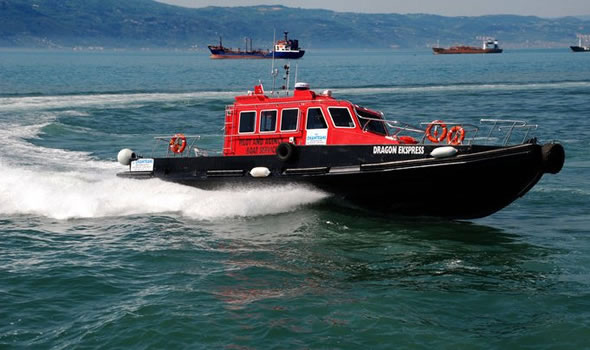
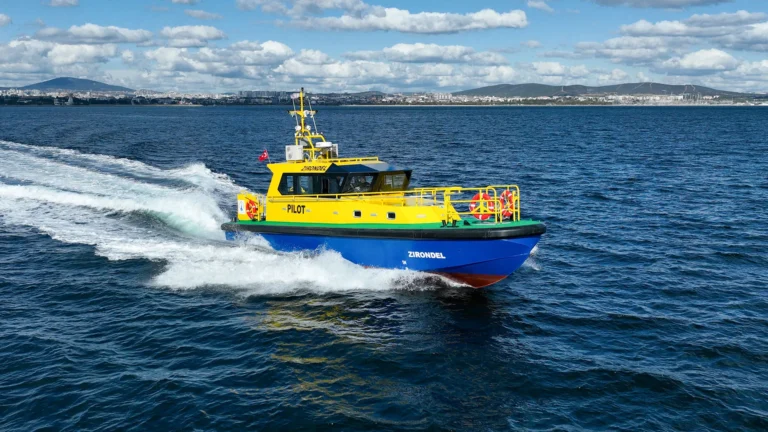
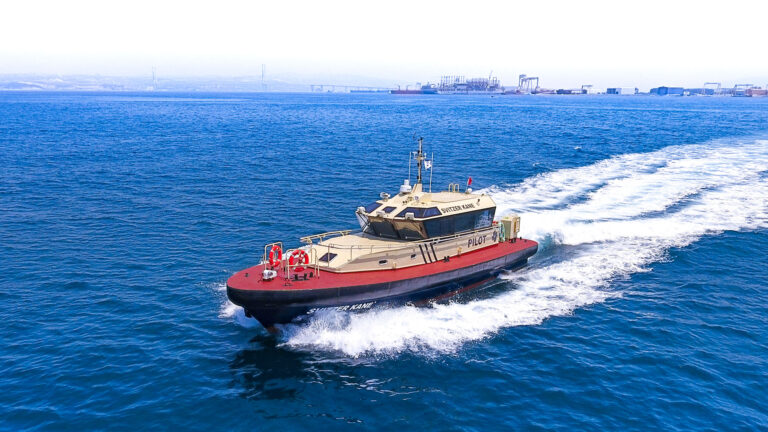
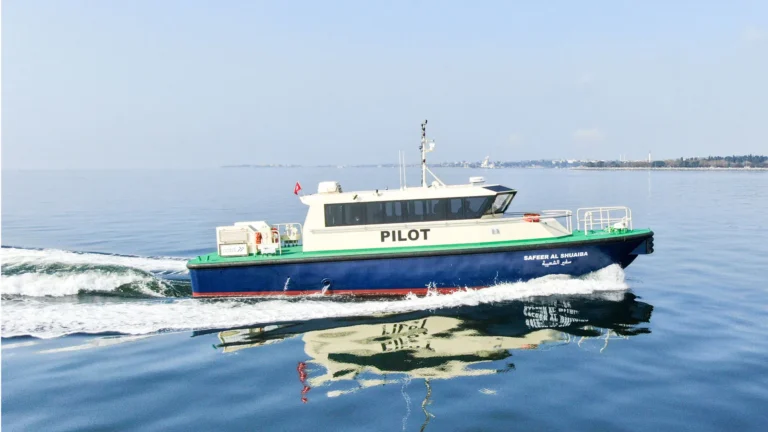
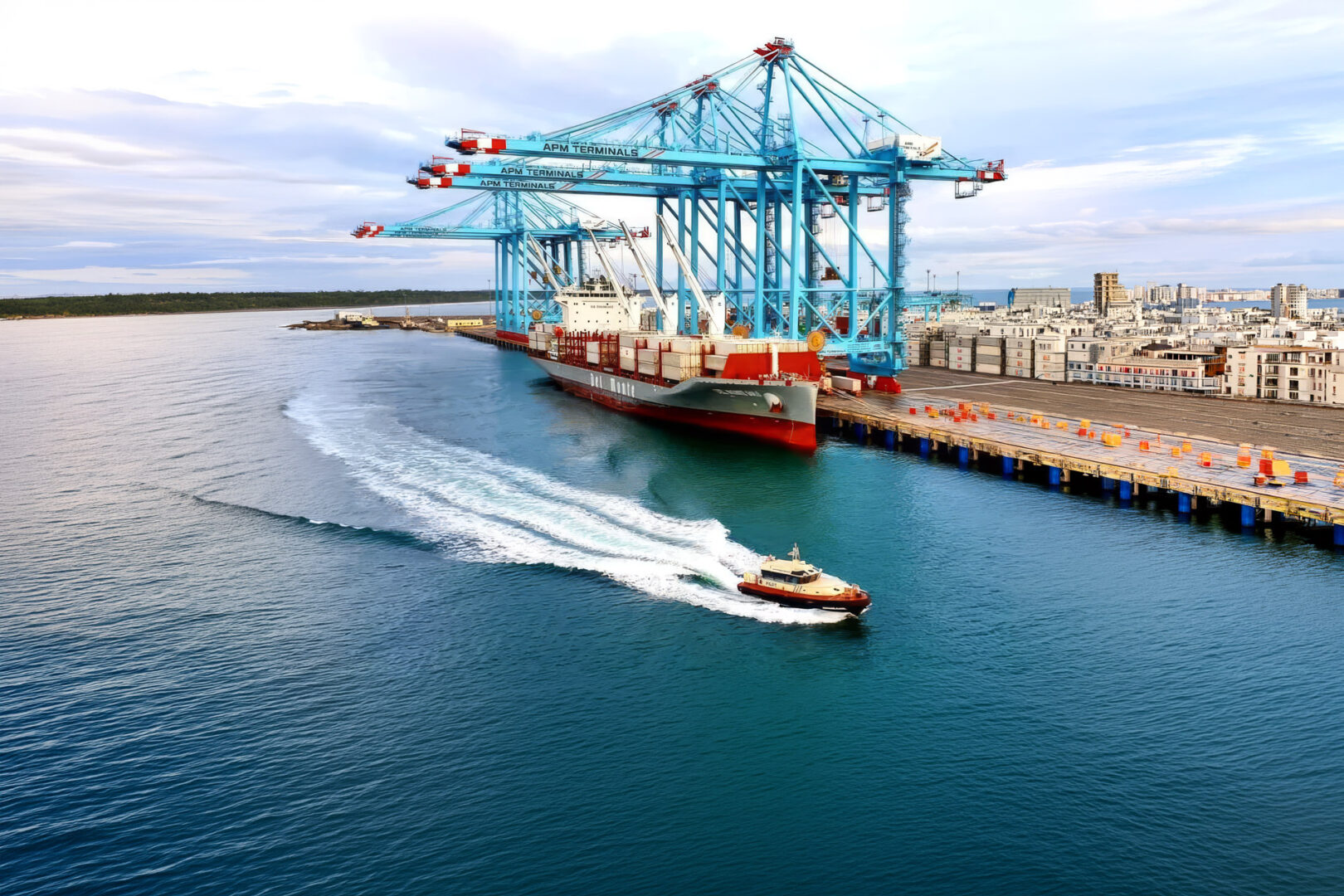
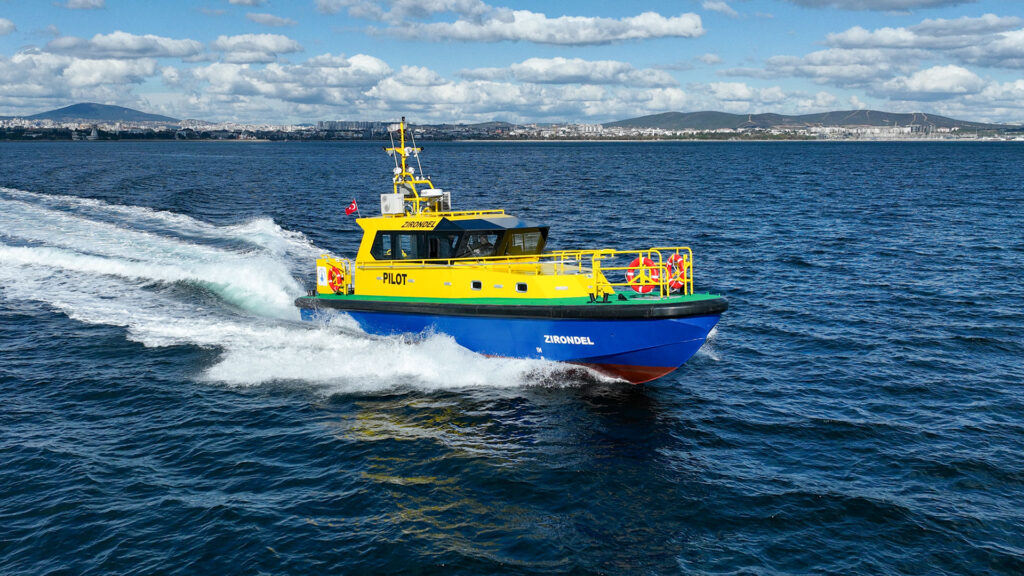
Pilot boats are the workhorses of every commercial port. They operate in all weather, around the clock, transferring maritime pilots to and from vessels that may be moving at 8–12 knots in open water. A pilot boat must therefore combine three qualities that rarely coexist in a single hull: high speed, exceptional seakeeping, and absolute reliability.
At Loyd Shipyard, we engineer pilot boats from 10 to 19 metres, with service speeds between 18 and 40 knots, tailored to the exact operational requirements of each port authority and pilotage organisation. Every vessel we deliver is designed around the sea conditions, transfer procedures, and maintenance infrastructure of its home port — because a pilot boat built for the Bosphorus faces different demands than one operating off a North Sea terminal.
Our delivered fleet includes vessels operating across Europe, the Middle East, and Asia, built to recognised classification standards and proven in daily commercial pilotage service.
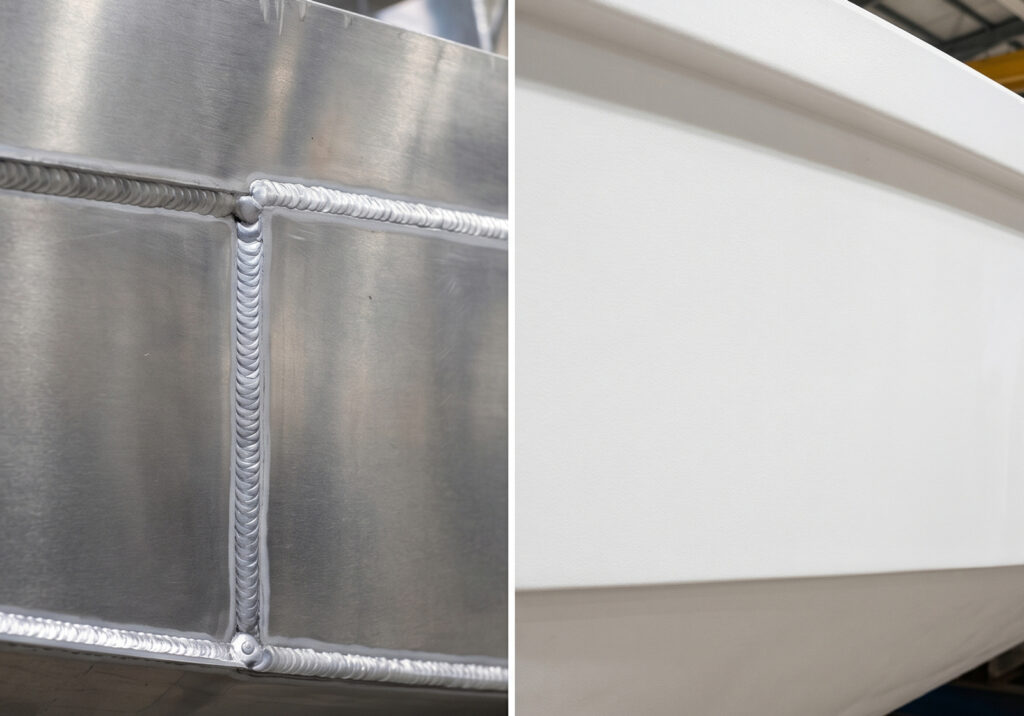
Hull material is the first major decision in any pilot boat project, and each option serves a distinct operational profile.
Aluminium remains the most common choice for modern pilot boats. It delivers an excellent strength-to-weight ratio, enabling service speeds of 25–40 knots with moderate engine power and fuel consumption. Aluminium hulls are straightforward to repair in most commercial yards and offer a service life of 25+ years with proper maintenance. For pilotage organisations running long transfer distances or tight schedules, aluminium is usually the value-engineered answer.
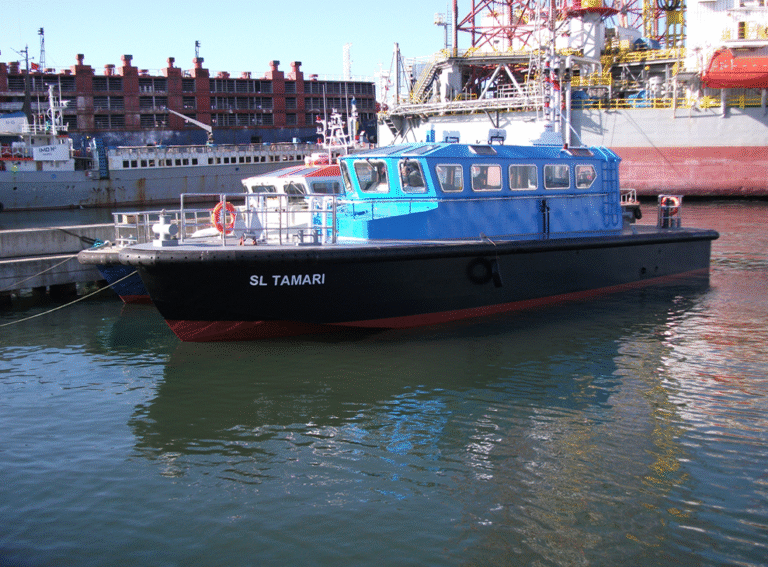
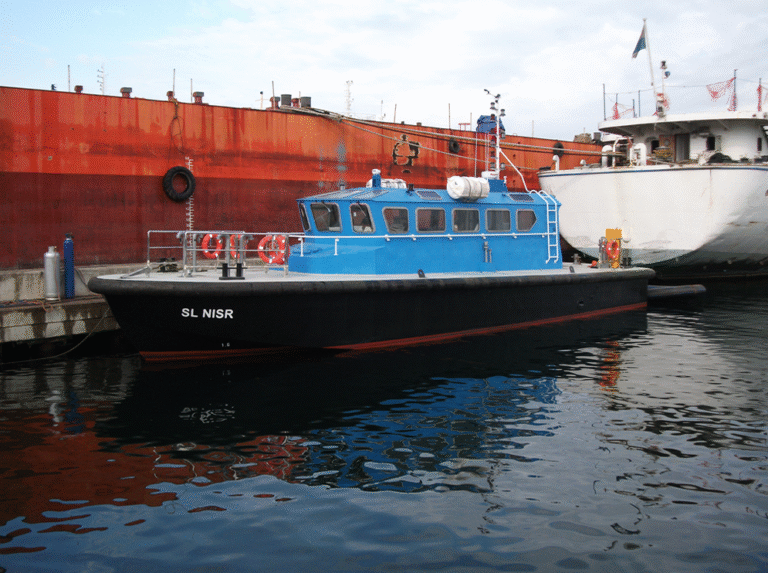
Steel-hulled pilot boats suit operations where impact resistance outweighs top speed — ports with heavy debris, ice exposure, or frequent contact with ship hulls during transfers. Steel construction allows heavier displacement designs with superior motion damping in rough seas, at the cost of higher fuel consumption and more intensive corrosion maintenance.
High-density polyethylene is the fastest-growing hull material in the workboat sector, and Loyd Shipyard is among the few builders offering true HDPE pilot boat construction. HDPE hulls are impact-absorbent, corrosion-free, UV-stable, and require virtually no hull maintenance — no painting, no antifouling in many operating profiles, no corrosion inspections. For pilot stations with limited maintenance infrastructure, HDPE dramatically reduces lifecycle cost. Explore our full HDPE boats range for more on this technology.
Not sure which material fits your operation? Our engineering team prepares comparative lifecycle-cost analyses as part of every quotation. Contact us to discuss your operating profile.

The defining moment of every pilotage operation is the transfer itself. Loyd Shipyard pilot boats are engineered around this moment.
Selected Loyd Shipyard pilot boat designs are developed in partnership with Camarc Design, drawing on over 35 years of proven workboat naval architecture.
Vessel length is driven by your transfer distance, sea conditions, and crew requirements. Sheltered harbour operations are typically served by 11–14 metre vessels; exposed coastal or offshore pilot stations generally require 15–19 metres for adequate seakeeping and crew comfort during standby.
Depending on specification complexity and vessel size, build programmes typically run 3–8 months from contract signature to delivery, including sea trials and classification survey.
Yes. Multi-role capability is a core Loyd Shipyard design philosophy. Pilot boats can be specified with equipment for crew transfer, patrol, survey support, and line handling — maximising utilisation of your fleet investment.
Yes. Vessels are delivered by sea on own keel, by heavy-lift transport, or by road/container depending on size and destination. Our export documentation team manages the complete delivery process.
Loyd Shipyard
Phone:
Email:
Address:
Esenlik Sok. No:3 Aydınlı Tuzla İstanbul Türkiye
Contact Form
By submitting, you agree to Loyd Privacy Policy. You may receive four emails related to this vessel. You may opt out at anytime.