For decades, operators running commercial marine fleets faced a familiar trade-off: aluminium offered durability but demanded consistent maintenance; fibreglass was cost-effective to build but brittle under real-world operational stress. High-Density Polyethylene — HDPE — is changing that equation for port operators, marina managers, and offshore support teams worldwide.
This shift is not just about material science. It reflects a broader rethink of what a working vessel actually needs to deliver over its operational life.
The Problem with Traditional Hull Materials
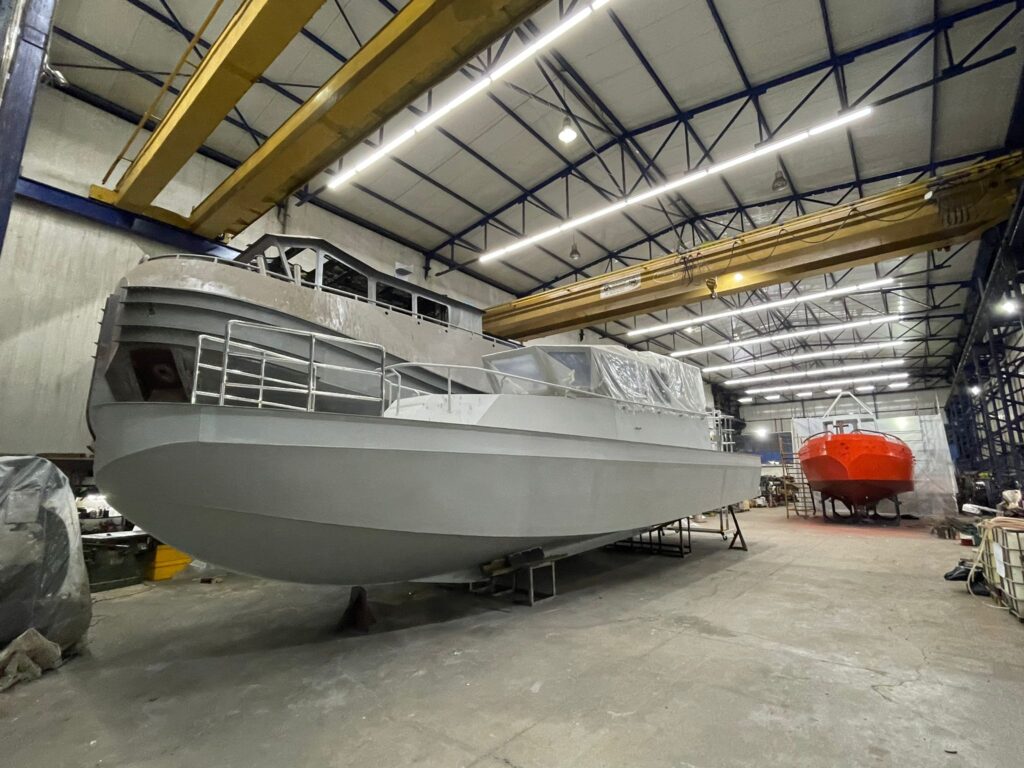
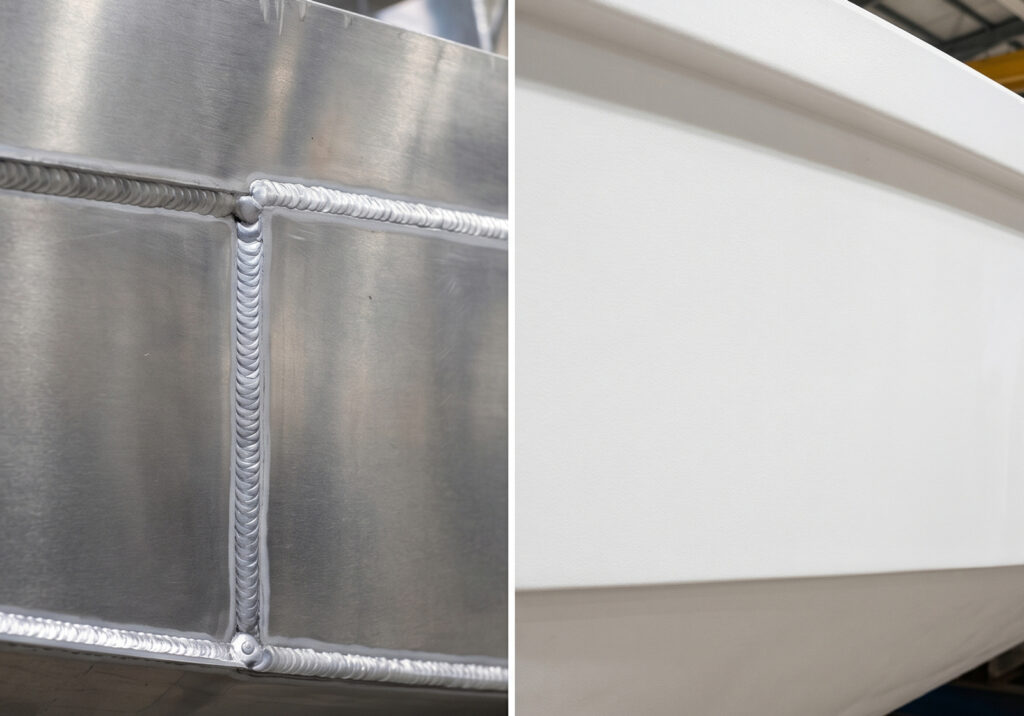
Aluminium workboats have long been the industry standard for hard-use commercial applications. They are strong, relatively lightweight, and can be repaired by competent fabricators almost anywhere in the world. But aluminium corrodes. In salt-water environments with continuous exposure to fuel, hydraulic fluids, and biological growth, aluminium hulls require regular inspection, anode replacement, protective coating, and eventually — expensive structural remediation.
Fibreglass construction solves some of these problems but introduces others. Gel coat degrades under UV exposure; osmotic blistering affects resale value and structural integrity; and repair quality varies significantly depending on the facility.
Both materials transfer impact energy rather than absorbing it. A collision with a dock, a piling, or floating debris — common occurrences in any working harbour environment — can cause deformation or cracking that takes a vessel out of service.
What HDPE Changes
High-Density Polyethylene is a rotationally moulded thermoplastic with properties that address each of these failure points directly.
Impact resistance. HDPE absorbs impact energy rather than transferring it to the hull structure. In practice, this means minor collisions with pilings, jetties, and other vessels cause surface scuffing rather than structural damage. A vessel that does not go out of service for minor dock impacts is a vessel that keeps generating revenue.
Corrosion immunity. HDPE does not corrode. It is chemically inert to seawater, fuel, oil, and most cleaning agents. There are no anodes to replace, no coatings to maintain, and no risk of galvanic corrosion where dissimilar metals meet. For operators running vessels in aggressive environments — marinas adjacent to industrial port areas, offshore wind farm support bases, aquaculture sites — this is a meaningful operational advantage.
UV and temperature stability. Quality HDPE compounds include UV stabilisers that maintain colour and structural integrity across extended outdoor exposure. The material is also tolerant of temperature cycling, a relevant factor for vessels operating across seasons in northern European waters or in the high-temperature environments of the Gulf and Red Sea.
Lightweight construction. HDPE hulls typically weigh less than equivalent aluminium structures. Lower displacement translates directly to reduced fuel consumption at operational speeds — a cost saving that compounds across a vessel’s operational life.
Low maintenance lifecycle. The cumulative effect of the above properties is a substantially lower total cost of ownership. No hull coatings. No anode replacement schedules. No corrosion surveys. Maintenance focus shifts entirely to mechanical systems and propulsion — components that wear predictably and can be planned for.
Where HDPE Workboats Perform Best
HDPE construction is not a universal answer for every vessel type. It is particularly well-suited to specific operational profiles:
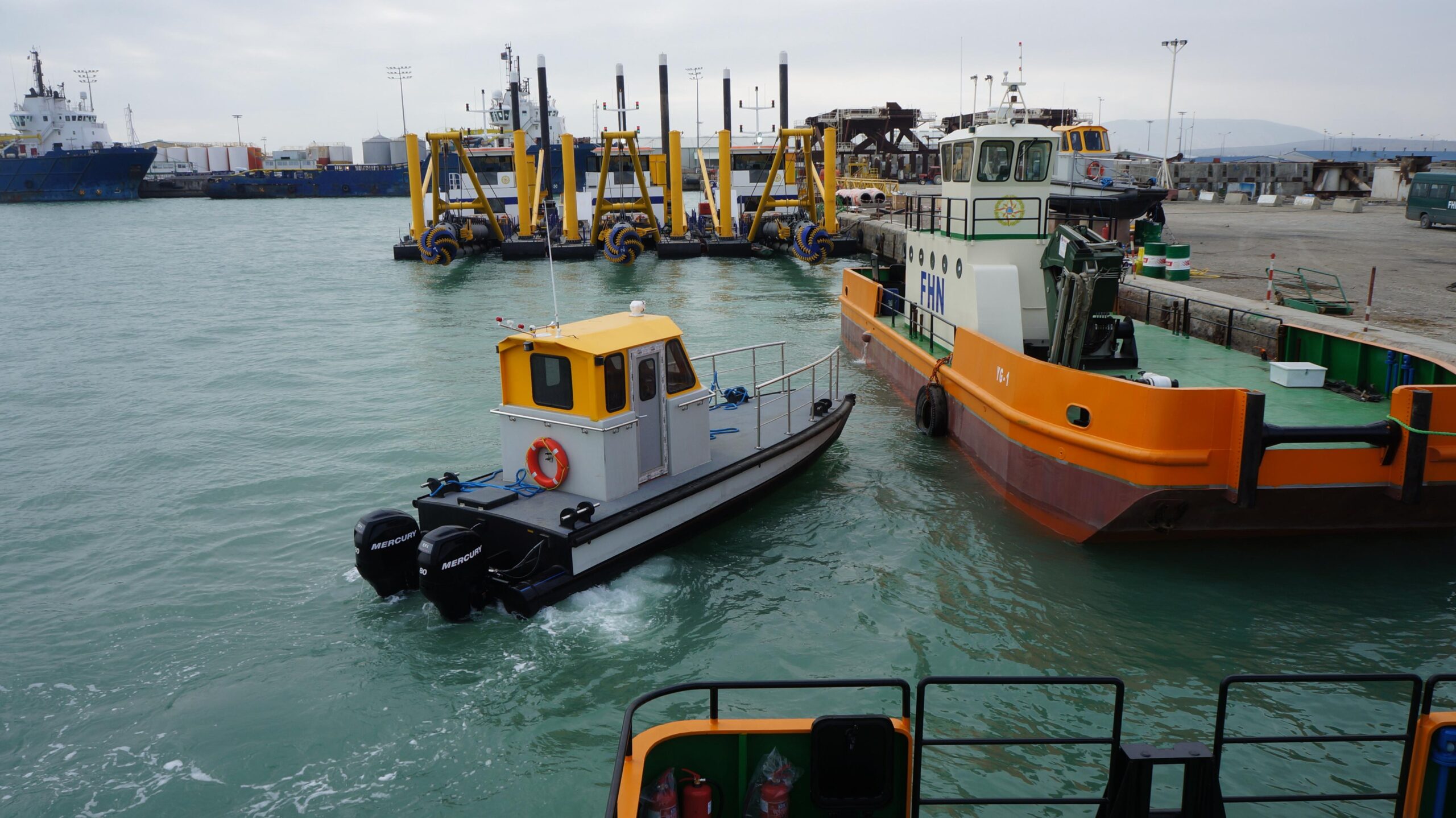
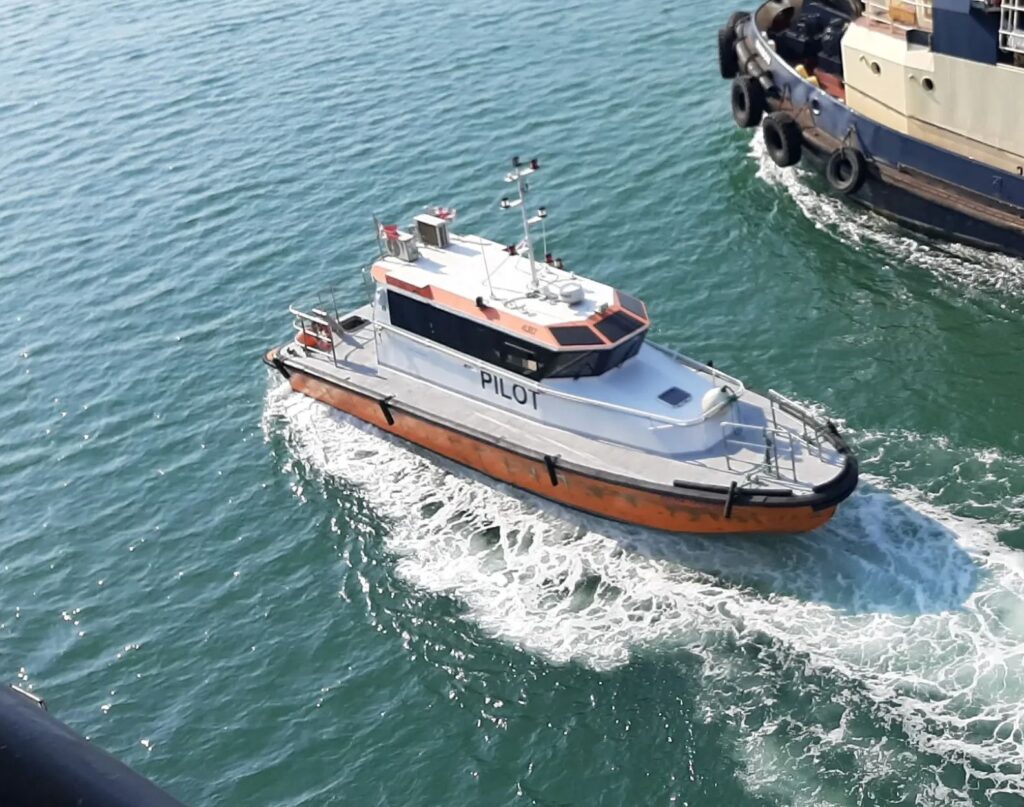
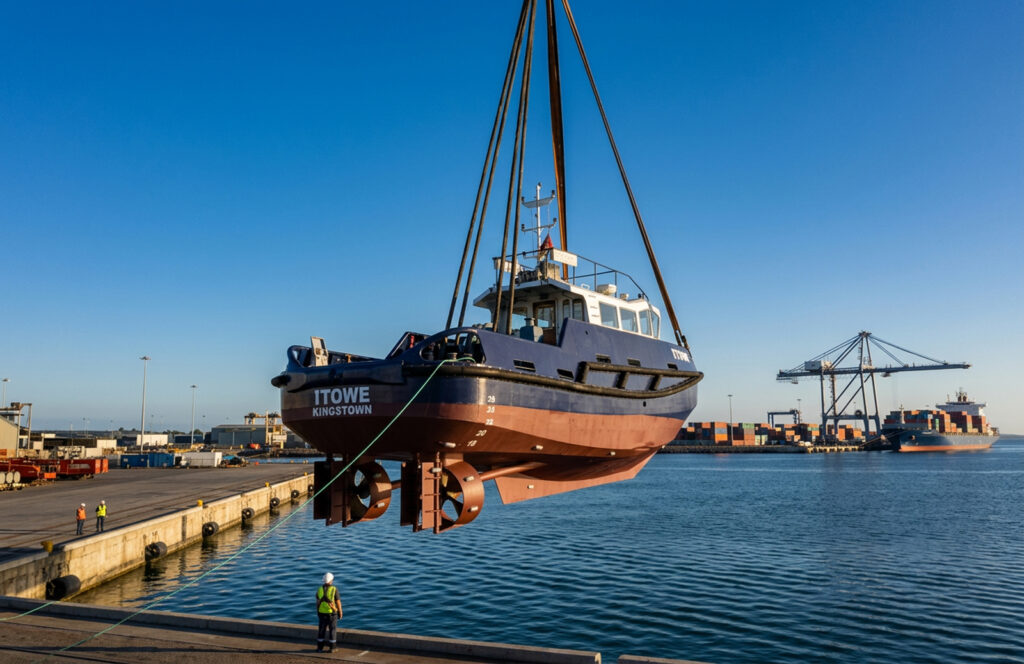
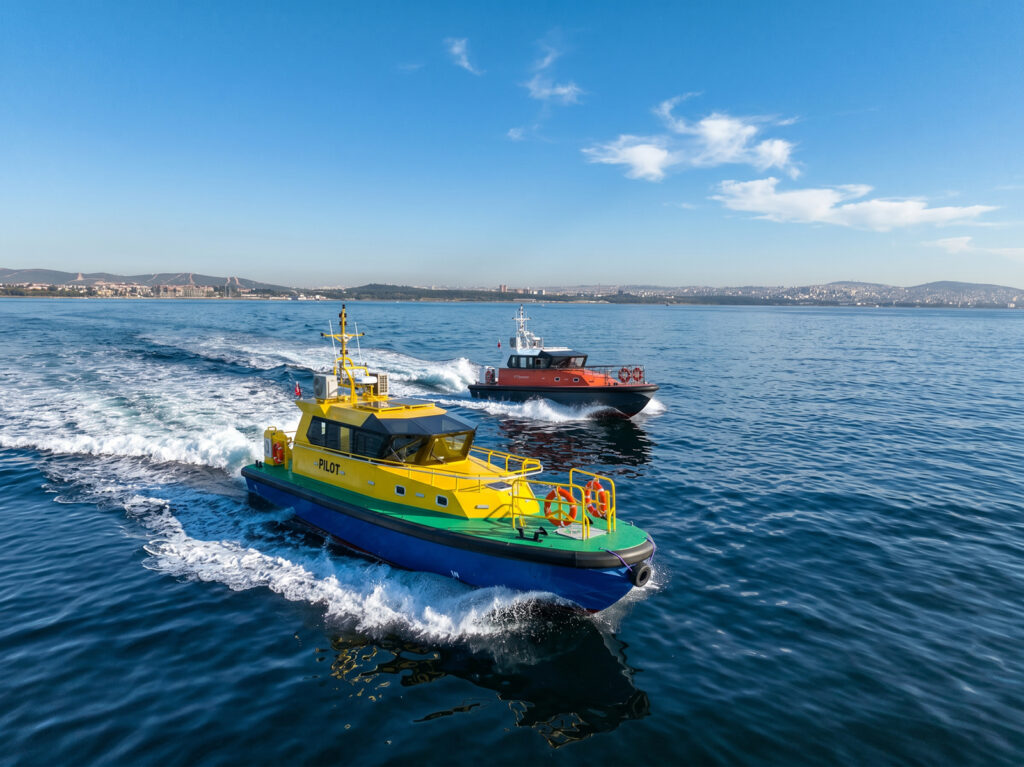
Harbour and port support vessels — Fast crew transfer, line-handling, and harbour patrol craft operate in environments where hull impacts against infrastructure are routine. HDPE’s impact tolerance makes it a natural fit.
Marina workboats — Maintenance tenders, diver support vessels, and pollution response craft need to be available reliably. Minimising unplanned downtime for hull repairs is directly valuable for marina operators running lean teams.
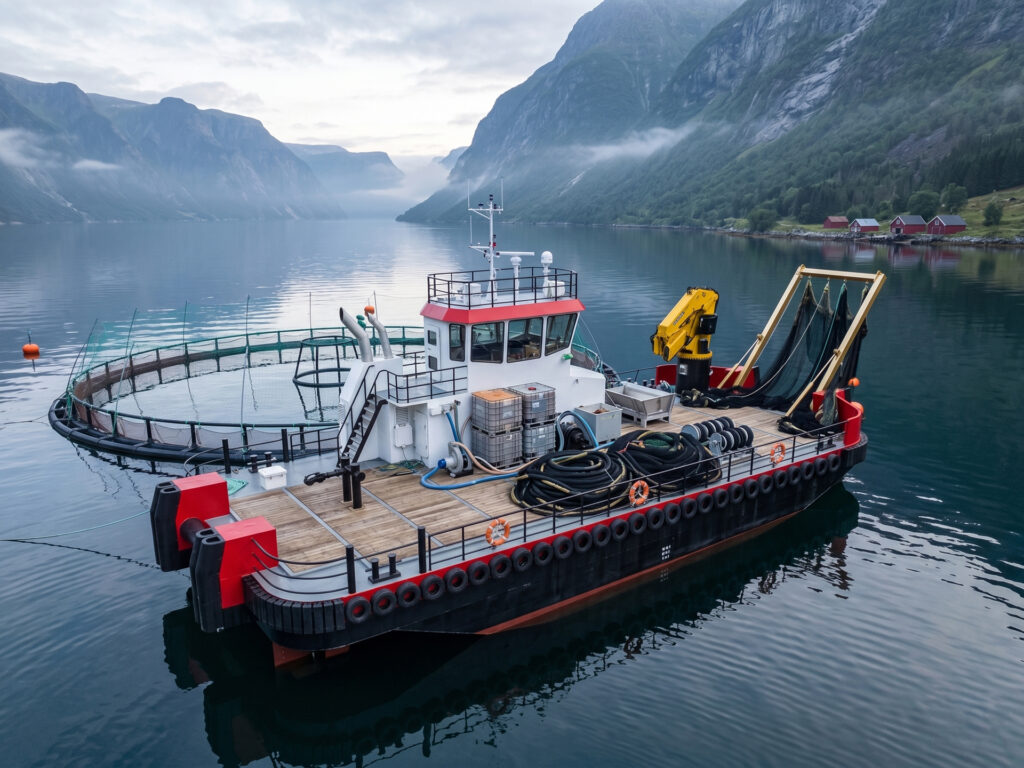
Aquaculture support — Fish farm workboats operate in remote sites where access to boatyards is limited. A hull that requires minimal maintenance and can absorb incidental impacts from equipment and nets reduces the logistical burden considerably.
Offshore wind and energy support — Crew transfer and support vessels operating from offshore energy installations benefit from corrosion immunity and the ability to handle the demanding conditions of open-water operations.
Environmental response — Oil spill response vessels and environmental monitoring craft often operate in chemically aggressive conditions where hull inertness is a practical requirement.
A Note on Lifecycle Economics
Operators evaluating workboat procurement often compare build costs and underweight operational costs. A vessel that costs 15% less to build but requires 25% more maintenance spend over a ten-year operating life is not the better purchase.
HDPE workboats typically represent a comparable or modestly higher initial investment compared to fibreglass equivalents. Against aluminium for commercial-grade construction, the gap is narrower than many operators expect. Across a ten-year lifecycle accounting for maintenance, coatings, surveys, and downtime, the total cost of ownership picture shifts clearly in HDPE’s favour for the operational profiles described above.
Loyd Shipyard’s Approach
Loyd Shipyard has developed its HDPE workboat range around the specific requirements of commercial operators. Each vessel is engineered to match operational requirements — hull form, freeboard, deck layout, propulsion — rather than adapted from a leisure craft design.
The result is a range of workboats that deliver on the material’s inherent advantages without compromising on the performance and reliability that commercial operators require.
For operators reviewing their fleet or planning new procurement, HDPE merits serious evaluation. The conversation starts with your operational requirements. Contact Loyd Shipyard to discuss your fleet needs.
Loyd Shipyard is based in Tuzla, Istanbul. We engineer and deliver HDPE workboats for commercial marine operations worldwide.